‘Hoppers’ (2026) Review: Hop Into a World Where Nature Fights Back
In order to save her glade, 19-year-old Mabel must first convince a certain keystone animal to return home: the beaver.

Hoppers • Movie • Directed by Daniel Chong • Comedy, Sci-fi • PG • 1h 45m
When I heard Daniel Chong, the creator of the Cartoon Network series We Bare Bears (2015-2019), was making a Disney-Pixar movie about nature and wildlife, I was sold. Although I haven’t watched much of We Bare Bears, I do remember enjoying the parts I had seen. I remembered its humor and wit, which are very much present in Hoppers (2026), along with some rather heartfelt moments.
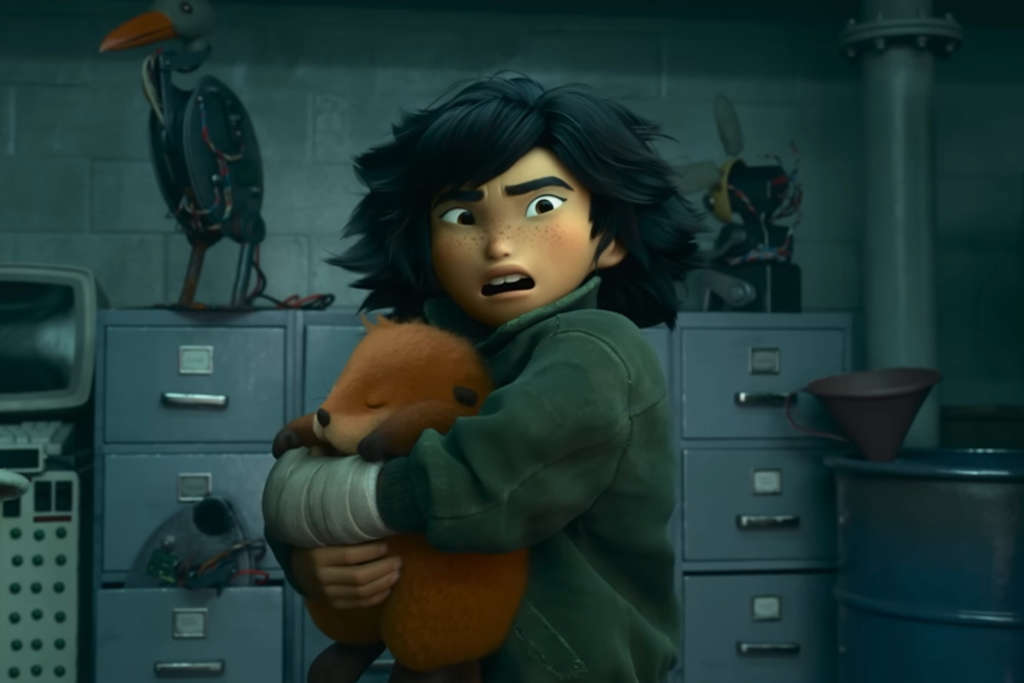
The movie centers around the city of Beaverville, where a young woman named Mabel (voiced by Piper Curda) oversees a glade that her grandmother (Karen Huie) once took care of. After her grandmother’s passing, Beaverville’s arrogant mayor, Jerry Generazzo (John Hamm), is trying to build a freeway across the now empty glade. In order to stop him and save her glade, Mabel embarks on a quest to bring the animals back by reestablishing an essential animal, the beavers, into the ecosystem. Throughout the movie, characters fight for their home, form deep bonds with each other, and stand up for what they believe in.

For the most part, I felt the story was fairly basic in structure, and the premise was a bit lacking. It doesn’t help that the characters in-universe say how the premise is similar to Avatar (2009), a movie that’s been around close to 16 years prior to this one. With that being said, I can definitely see this movie becoming a very important part of some kid’s life and how they see nature, which is definitely something remarkable in my book.
The characters were enjoyable, but aside from Mabel, Jerry, and the mammal king, George (Bobby Moynihan), none of them really stood out to me. The primary antagonist of the film, Titus (Dave Franco), was humorous and had some (shallowly) hidden depths to his character, but other than that I can’t say much about him. I will note, however, that many characters were more three-dimensional than two. The writing has good comedic timing (which makes sense considering the creator’s background) and was well paced. I felt the actors all did a great job with their characters; the animation was great (as expected from Pixar); and the composition was fitting for the scenes and well put together.

The film’s rhetoric lies in how humans and nature complement each other. Key takeaways from the film include “nature is important,” “treat nature well,” and “always see the good in others” (the latter of which I will go into more in depth on). Throughout the film nature is presented as peaceful and harmonious when treated well. But when push comes to shove, nature can be just as vicious as the humans who harm it.
Although this is seen in more comedic ways (such as birds trying to navigate a shark to eat a human as revenge), it plays into the themes about how humanity and nature are ultimately cut from the same cloth. What we do impacts nature, and what nature does impacts humans. At the end of the film, a fire breaks out and threatens both the glade and the city of Beaverville. While firefighters hurry to put out the flames, the animals destroy a large beaver dam whose water floods the forest and puts out the fire. In the aftermath, we see both humans and animals alike cleaning up the glade.

One problem I have with the film is the message of “always see the good in others,” not because I think it is a bad message, but because of how it is presented. I believe “always see the good in others” does work, but to an extent. This theme first comes about when Mabel, whose consciousness has hopped to a robot beaver at this point, is talking with King George about how he became king. George talks about his neglectful father, and when Mabel shows outrage at his situation, George brushes it off by saying, “It was a long time ago.”
Initially I thought it was going to be about letting go of grudges or not letting anger define you, as Mabel herself struggles with anger issues. However, that did not become the case, as soon after, George was talking about always seeing the good in others. The movie foreshadows that Mabel will finally see the good in Jerry sometime during this point, even though he has been nothing but conniving from what we have seen.
Now, I do not believe that a Disney Pixar movie targeted at children needs to go into the corruption behind politics and how politicians are ultimately only looking out for themselves. I do think kids deserve to have a little hope that things aren’t as helpless as they seem. However, this message also extends to betrayal and broken trust. In the turning point of the film, George feels betrayed when he finds out Mabel is human, but he trusts her because one should “always see the good in others.”

If he said that it was because of the bond the two of them shared, which was made from being open and honest with each other, I would accept it. But the idea that you should forgive the person who withheld serious information from you does not leave a good taste in my mouth, especially when this theme was first brought up when talking about a neglectful family member and a person who is actively antagonizing someone. It reminds me of the controversy around Raya and the Last Dragon (2021) with how people didn’t like the message of trusting people who have betrayed you before, although in Hoppers’ case this theme is not nearly as prominent.
But overall, I can’t say I had any major complaints about the movie, but at the same time, nothing really stood out to me much. With that being said, I never felt bored while watching the movie and had quite a few good laughs. So if you’re looking for an entertaining movie to bring your young one to, I would definitely recommend Hoppers.
Rating: 7/10

Designed with WordPress